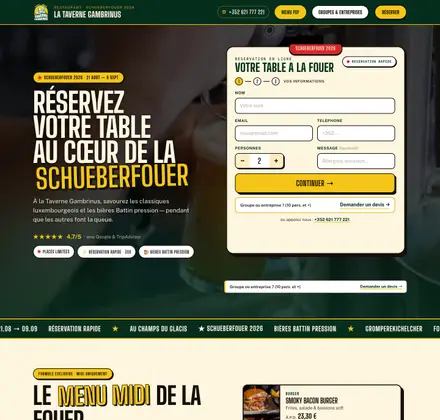
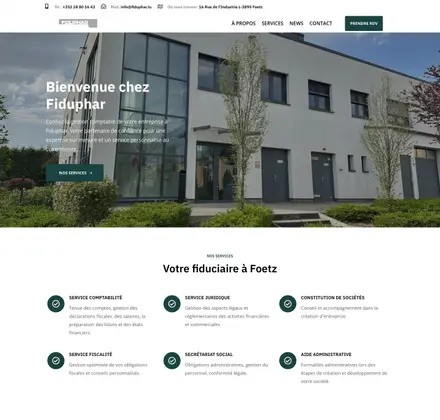
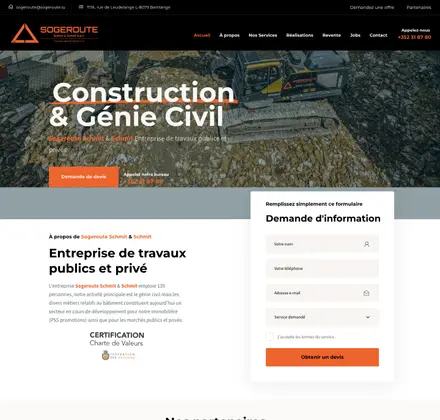
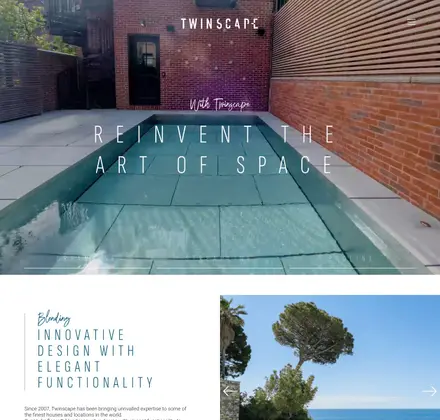

Having a website has become essential for an SME. It makes your business visible online, saves you time and helps you find new customers. This guide explains how to create a website without making things complicated. You will see what a website is for, how to build it and what to put on it. Find out how to build a site that suits your business and grow your business through the web.
Why should an SME create a website?
Customers search online. If your business does not have a website, it is missing from the search results. A website lets you present your services, show who you are and receive enquiries directly from your site.
A website for an SME helps build trust. It shows that you are active, clear and approachable. It can even automate part of running your business, such as quote requests.
A website can also improve your online presence, strengthen your brand image and simplify communication with your potential customers.
Why create a website when you run a small business or SME?
Creating a website is essential for any small business or SME that wants to be credible. A well-designed site shows that you are organised and serious. It is a central tool for your communication. You can use it to present your products, explain your services or answer frequently asked questions.
A website for a small business is also a conversion lever. Your visitors are more likely to become customers if they find what they are looking for. Creating a well-structured website increases your impact.
Which type of website should an SME choose?
The type of website depends on your activity. It can be a business website, an e-commerce website or a custom website.
The business website is the most common. It presents your activity, your offers and your contact details.
The e-commerce website allows online sales. It is ideal if you have an online shop or a product catalogue.
The custom website is useful if you have specific needs such as appointment booking, a client area and so on.
Which type of site suits you depends on your goals. If your business is local, start simple.
How do you create a website in 7 simple steps?
Here is how to create a website, step by step:
Define your goals (present, sell, recruit and so on)
Choose a suitable domain name for your activity
Select reliable hosting
Design the structure of the site (menu, main pages)
Write clear, optimised content
Add a contact form and calls to action
Launch the site and test it on mobile and desktop
You can build the site yourself or with a provider. What matters is that the site works well and meets your needs.
Site design: keeping things simple and effective
Site design does not need to be complicated. Every page should have a clear purpose. The text should be easy to read. Colours and fonts should stay consistent. The menu should be easy to understand.
The images on your site should be light and professional. The site structure should naturally guide visitors towards the action you want. That could be a call, a quote request or a purchase.
Web design: what you really need to know
Web design is not a matter of taste. It has to be functional. Good web design helps people read, understand and act. It improves your site’s performance.
Think responsive: the site must look perfect on mobile. Think fast: a slow site loses its visitors. Good web design also improves your ranking in search results.
Domain name: choose it well from the start
The domain name is one of the first things people see about your site. It should be simple, relevant and easy to remember.
Avoid numbers, hyphens or unusual extensions. A .fr or .com remains a safe choice. For a local business, you can include your region or your activity in the domain name.
SEO: how do you get found on Google?
Search engine optimisation (SEO) lets your site be found on Google. It is what brings you visitors without advertising.
Here are the basics:
Work on your titles, tags and descriptions.
Use simple keywords related to your activity.
Optimise the speed of the site and its mobile version.
Create useful content.
Your site’s SEO improves your visibility and attracts customers. A well-optimised professional website delivers lasting results.
Content creation: what should go on an SME website?
Here are the essential web pages:
Home (should be a summary of your website)
Company presentation
Service or product pages
Contact page with a contact form
Customer reviews
Legal notice / terms and conditions if needed
The pages of your site should be simple. Give the useful information, without overloading it. Highlight what makes you unique.
A website for a small business: what you must plan for
A website for a small business must be:
quick to load
simple to read
easy to update
secure
The site should also include a request for a quote or a clear call to action. A well-structured company website helps grow your business.
Can an SME create a free website?
Yes, but it is not recommended. A free site is limited. You do not have your own domain name. The design is imposed. Search visibility is weak.
To have a reliable, clean and effective site, it is better to invest a little. A website builder like WordPress is a good compromise. It lets you build a site that looks like you.
Tools for creating your website
To create a website, here are the most widely used tools:
WordPress: ideal for a business website, very flexible
Wix or Squarespace: good for getting started quickly
Shopify: suited to online selling
These platforms let you build a professional site even without knowing how to code. You can easily use them for an SME website.
Optimising your site’s performance
Your site’s performance affects everything: SEO, user experience, conversions. To optimise:
Reduce the size of your images
Remove what serves no purpose
Check the speed
Test the site on mobile
A high-performing website holds attention and delivers results. All sites should be updated regularly.
Tracking your site’s visitors
With Google Analytics, you can analyse your site’s performance:
Where your traffic comes from
Most viewed pages
This data helps you see what works. You can then adjust your web pages and create a better experience.
Security, updates and the evolution of your site
A website must stay secure. Update it often. Check that everything works. Add content. Improve it little by little.
Creating a website is not something you finish once and for all. It means keeping it alive. As your business evolves, your site evolves too.
In summary:
A website is essential for an SME.
Building a site should be simple and well suited to you.
Choose a good domain name.
Optimise your SEO from the start.
Plan clear, useful content.
Use a reliable website builder.
Check that the site works well.
Track your site’s visitors.
Update the site regularly.
Creating a well-structured website helps you attract customers, run your business more easily and grow your activity. If your business does not have a website yet, now is the right time to create one.