




Optimised content involves using keywords. There are different types of keywords: main keywords, secondary keywords, long-tail keywords… Long-tail keywords? These terms sound technical and reserved for digital marketing experts. Yet they are essential for improving your website’s SEO. But what is a long-tail keyword? Why use them in your SEO strategy? Let’s take stock.
What is a long-tail keyword?
The concept of the “long tail” refers to the “tail” at the end of a curve. The term was originally used to describe how niche products on platforms like Amazon can generate a higher overall sales volume than the best sellers. A similar thing happens with the keywords users type into search engines.
Long-tail keywords are a group of keywords made up of 3 to 7 words. Unlike short, generic keywords, they are specific and detailed.
Here are a few examples to help you understand better.
Very general keywords that are not long-tail:
- laptops
- women’s clothing
- Italian restaurant
- SEO consultant
These terms are short and not very specific.
More targeted long-tail keywords:
- best laptops for students in 2024
- women’s summer dresses size L
- authentic Italian restaurant in Paris
- SEO consultant specialising in e-commerce
The terms are longer and more specific thanks to the added adjectives.
Why use long-tail keywords in your SEO strategy?
Reducing competition
One of the main advantages of long-tail keywords is that they are less competitive. Short keywords are often crowded with competitors, which makes it hard to get a good position in the search results. By targeting long-tail keywords, you reduce direct competition. Your content is then more likely to appear at the top of the results.
Improving your conversion rate
Long-tail keywords attract visitors with a clear intention to buy. For example, someone searching for “buy a lightweight men’s road bike” knows exactly what they want. This means that when they land on your site, they are more likely to make a purchase. By targeting these specific searches, you therefore increase your conversion rate.
Answering users’ questions
Internet searches are becoming more and more conversational. Users ask detailed questions and expect precise answers. Long-tail keywords let you answer these questions directly.
For example, a user might search for “how to choose a mattress for back pain”. By using this long-tail keyword, you can create content that answers exactly that question instead of only targeting the keyword “mattress”. This improves not only your SEO but also your authority in your field.
Generating quality content
Long-tail keywords encourage the creation of quality content. Rather than focusing on generic terms, you can go deeper into specific topics. The result? You can produce blog articles, guides and other types of content that offer real added value to your readers. Quality content attracts backlinks and social media shares and builds visitor loyalty.
Keeping up with trends and changes
User experience is a key factor for SEO. Search engines such as Google take user satisfaction into account. By using long-tail keywords, you provide precise, relevant answers. This reduces the bounce rate and increases the time spent on your site. These are two important factors for improving your position in the search results.
Optimising for voice search
Voice search is growing with the increasing use of voice assistants such as Siri, Alexa and Google Assistant. Users ask questions naturally and often at greater length. For example, instead of typing “weather Paris”, they will ask “what is the weather in Paris today?” Capture this type of search by orienting your content towards long-tail keywords.
Standing out from the competition
Voice search is growing with the increasing use of voice assistants such as Siri, Alexa and Google Assistant. Users ask questions naturally and often at greater length. For example, instead of typing “weather Paris”, they will ask “what is the weather in Paris today?” Capture this type of search by orienting your content towards long-tail keywords.
How do you find long-tail keywords?
#1 Use specialised tools
To use long-tail keywords well, you first have to find them. Here are a few essential tools:
- Google Keyword Planner: a classic tool. It helps you identify relevant keywords and their search volume.
- Ubersuggest: a free tool that offers keyword suggestions based on your initial search terms.
- Ahrefs: more than a simple keyword research tool, it lets you analyse the competition and find long-tail opportunities.
- SEMrush: ideal for keyword research and competitor analysis.
- Answer the Public: a great tool for discovering the questions users ask around your target keywords.
#2 Study your competitors
Look at your competitors’ websites to discover the keywords they target. You might find valuable terms that will help you attract qualified organic traffic effectively.
#3 Use Google’s suggestions and searches
Use Google to your advantage. Start by typing your main keyword into the search bar and look at the automatic suggestions. These suggestions often include long-tail keywords that users search for frequently.
For example, a user might search for “how to choose a mattress for back pain”. By using this long-tail keyword, you can create content that answers exactly that question instead of only targeting the keyword “mattress”. This improves not only your SEO but also your authority in your field.
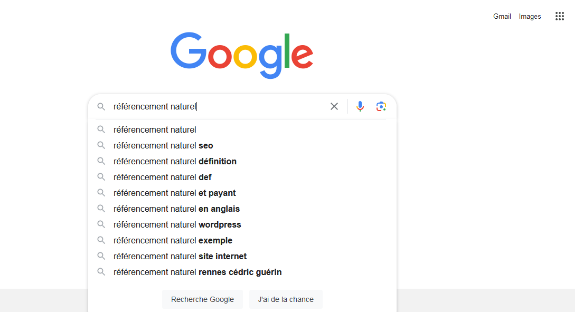
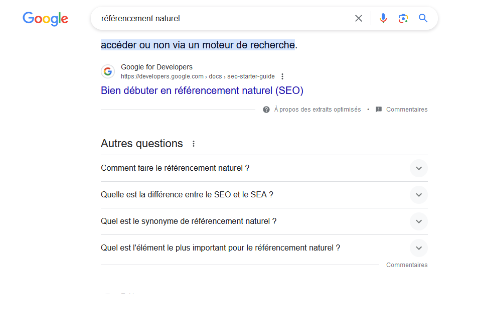
Google also suggests questions related to your keyword. They can include long-tail keywords or be long-tail keywords themselves.
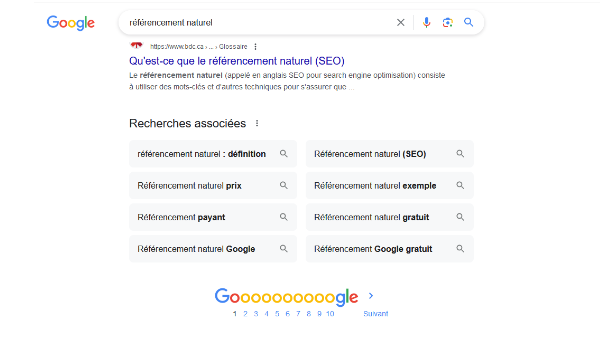
Do not forget to check the “related searches” at the bottom of the search results pages.
#4 Explore frequently asked questions
Searching for keywords in the form of questions is a free and very effective way to find long-tail keywords. Google’s answer boxes or tools such as Answer The Public are excellent resources for this.
How do you use long-tail keywords in your content?
Finding long-tail keywords is one thing; using them effectively in your content is another. Here are a few tips:
Blog articles
Once you have identified these keywords, work them naturally into your content. Insert them in the headings, subheadings, body text and meta tags without harming flow and readability. Make sure your use of keywords stays consistent and organic to give an optimal user experience.
Product pages
Use detailed descriptions for your products that include long-tail keywords.
Example: For an online shop selling gardening tools, a product page could include keywords such as “ergonomic pruning shears for precision cutting” in the product description, highlighting its specific features and benefits.
FAQ
FAQ sections are ideal for including long-tail keywords in the form of questions.
Example: On the FAQ page of a gardening site, you could have questions such as “How do I protect my plants from late frosts?” and answer them by naturally working in the long-tail keywords.
Guides and tutorials
These content formats let you go deeper into topics and naturally include long-tail keywords.
Mistakes to avoid with long-tail keywords
Using long-tail keywords takes strategy. Here are a few common mistakes to avoid:
- Forcing keywords in: they should be used naturally. Do not stuff your texts with keywords.
- Ignoring search intent: make sure your content genuinely answers the question the keyword asks.
- Not tracking performance: monitor how your keywords perform and adjust your strategy accordingly.
- Focusing only on volume: sometimes, keywords with a low search volume can perform very well in terms of conversion.
CONCLUSION
In conclusion, betting on long-tail keywords is a winning SEO strategy that brings real added value to your content and your website. The challenge is still to use them correctly.