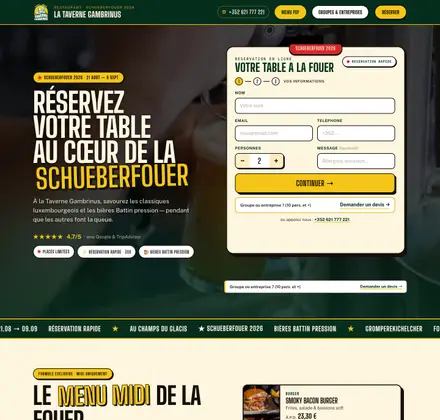
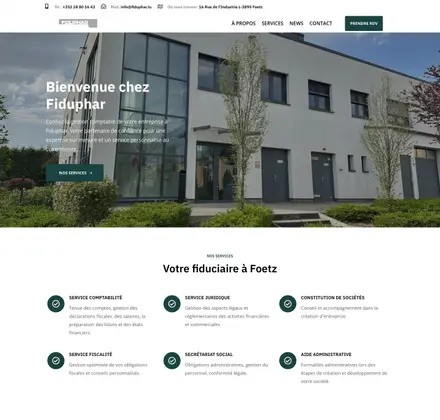
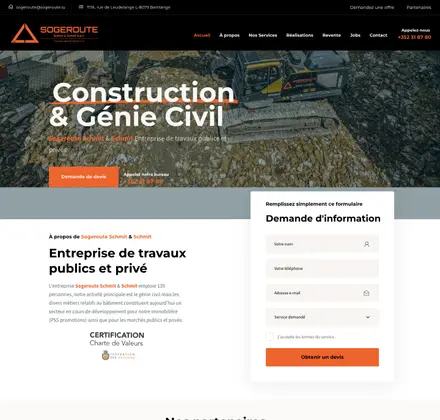
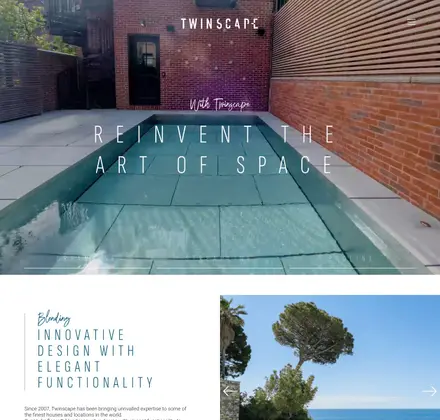

Landing pages are at the heart of any digital marketing strategy. They play an important role in turning visitors into potential customers or buyers. However, not all landing pages are created equal. Depending on your business’s specific goals and needs, different types of landing page can be used to maximise the effectiveness of your marketing campaign.
Landing page: what is its purpose and where should you place it?
As part of an inbound marketing strategy, a landing page aims to turn visitors into prospects and potential customers by focusing on a specific product or service. That product or service must meet a precise need of the target audience.
Its purpose is clearly defined and translates into concrete actions such as:
- A purchase,
- Engagement on social media,
- Submitting contact details,
- Signing up to a newsletter,
- Downloading a lead magnet,
- Taking part in an event.
To reach this goal, a landing page is usually reached through an external call to action, whether from an email campaign, a link on a website or blog, or through a search engine query or an advertising campaign. It can be built into different types of website such as business websites, e-commerce sites or blogs, but its content and structure must be adapted to the specifics of each site and each goal.
The design of the landing page must be well thought out to maximise conversion. It must be distinct from the rest of the website. Also, consider removing the navigation bar and outgoing links to limit external browsing and encourage the action you want. In addition, the landing page’s place in the visitor’s journey, depending on the phases of the conversion process (discovery, conviction, action), influences its structure and its goal.
1. Lead generation landing page
Lead generation landing pages are designed to collect information about visitors, such as their email addresses, phone numbers or other relevant details.
This information can be used to nurture prospects and convert them into customers over the long term. The key elements of a lead generation landing page include a clear, concise contact form, attractive incentives such as special offers or white papers, and convincing calls to action.

Example of a landing page with a contact form asking for the visitor’s first name, last name, email address, job title and company in exchange for downloading the white paper.
2. Direct sales landing page
Direct sales landing pages are specifically designed to encourage visitors to make an immediate purchase.
They promote a particular product or service, highlighting its features, its benefits and its price in a persuasive way. The key elements of a direct sales landing page include attractive product images, convincing customer testimonials, satisfaction guarantees and clear, compelling call-to-action buttons.

Example of a landing page from Zalando that presents the benefits and privileges of taking out a subscription. They feature the call-to-action button “Start your subscription” to encourage visitors to buy.
3. Event landing page
Event landing pages are used to promote special events such as webinars, conferences, temporary promotions or product launches. They highlight the details of the event, such as the date, time, place and topics covered, as well as the benefits for attendees.
The key elements of an event landing page include a clear, easy-to-complete registration form, incentives such as exclusive offers for attendees, and detailed information about the event.

Example of a landing page to sign up for a webinar
4. Pre-order landing page
Pre-order landing pages are used to generate interest and gather purchase commitments before the official launch of a product or service. They present the features and benefits of the upcoming product, along with special incentives to encourage visitors to place a pre-order.
The key elements of a pre-order landing page include attractive product visuals, advance testimonials from satisfied customers, delivery guarantees and clear call-to-action buttons to encourage pre-orders.

Example of an item pre-order on a website
5. Homepage landing page
Homepage landing pages are often used as the main entry point to a website. They usually give a general overview of the business, its products or services and the benefits it offers visitors.
The key elements of a homepage landing page include clear, intuitive navigation, information about the business and its offer, customer testimonials and calls to action to direct visitors to specific pages of the site.

Example from Booking.com, which has a homepage landing page that highlights seasonal offers. Calls to action are placed to direct visitors to specific pages of the site, such as booking flights or hotels.
CONCLUSION
In summary, each type of landing page needs an appropriate approach and design. By focusing on the elements of landing pages, businesses can unlock their full potential to improve their conversion performance and reach their marketing goals.