



With summer fast approaching, the summer holidays are a golden opportunity to boost sales on your e-commerce site. Consumers are looking for seasonal products, good deals and services suited to their summer needs. To maximise your turnover during this lucrative period, prepare your online shop strategically and efficiently. Here are 15 tips to optimise your online shop for summer sales, based on proven practice and expert recommendations.
1. Run an audit of your site
Performance assessment
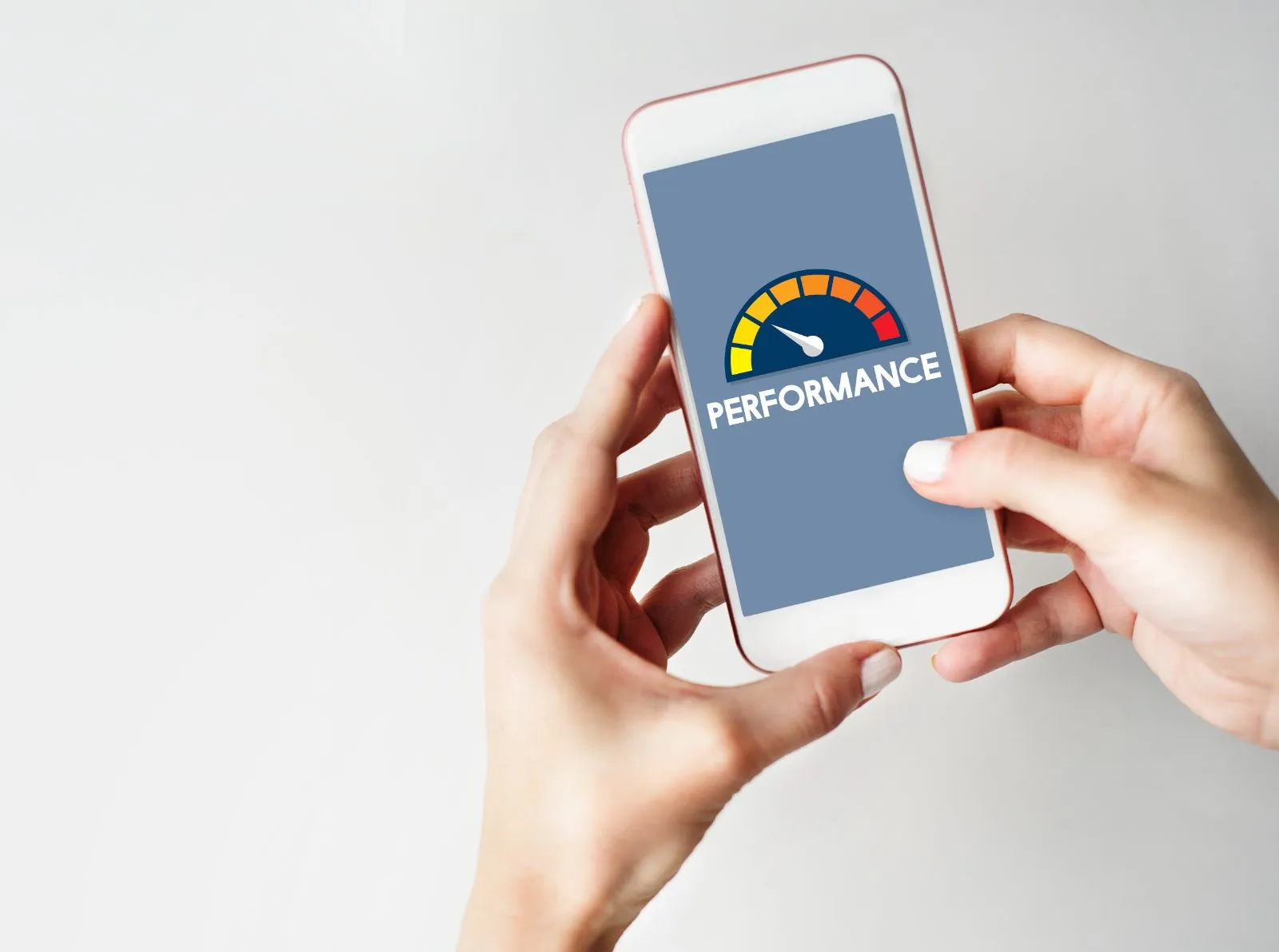
Before starting any optimisation, assess your site’s current performance. Use tools like PageSpeed Insights to analyse how fast your pages load. Make sure your site loads quickly. A slow site can put visitors off and increase your bounce rate.
Checking for errors
Every page on your site must work properly. 404 errors or broken links can frustrate users and harm your brand image. Use tools like Screaming Frog to detect and fix these errors.
2. Optimise the user experience

A design suited to the season
Adapt your site’s design to the summer season. Use bright colours and images of beaches, sunshine and holidays to catch visitors’ attention. A themed design makes your site more attractive and relevant.
Intuitive navigation
Favour smooth, intuitive navigation on your e-commerce site. To do this, simplify menus and make product categories easy to find. Clear navigation improves the user experience and encourages visitors to explore your site further.
3. Content and SEO
Creating themed content
Create summer-specific content to attract more visitors. Blog articles on the best holiday destinations, buying guides for beach accessories or summer recipes can generate organic traffic and hold users’ attention.
Keyword optimisation
Use tools like Google Keyword Planner to identify relevant seasonal keywords. Include these keywords in your product descriptions, titles, meta tags and blog content to improve your search ranking.
4. Marketing and promotion
Social media campaigns
Social media is a powerful tool for promoting your online shop over the summer. Create targeted advertising campaignson Facebook, Instagram and Pinterest. Use popular summer-related hashtags to increase the visibility of your posts. Do not hesitate to create a landing page to send visitors to the offers that suit them.
Special offers and promotions
Offer special offers, product bundles and exclusive discounts for the summer holidays to attract more customers. Discounts on summer items, “Buy one, get one free” offers or free delivery can encourage visitors to buy. Also consider offering free delivery to increase the conversion rate. Highlight these offers on your home page and in your newsletters.
5. Mobile optimisation
Responsive design
With more and more people using mobile devices to shop, your site absolutely must be optimised for smartphones and tablets. A responsive design adapts to every screen size and offers a consistent user experience.
For example, you can:
- Adopt a responsive theme.
- Include large buttons that are easy to tap.
- Remove pop-ups, and so on.
If your CMS is WordPress, plugins such as WPtouch or WPTap Mobile Web Plugin will be very useful for optimising your site for mobile.
Loading speed
Loading speed on mobile is also an important factor. Use AMP (Accelerated Mobile Pages) to improve the speed and efficiency of your site on mobile devices.
6. Stock management and logistics
Demand forecasting
Analyse sales trends from previous years to forecast demand. Make sure you have enough stock of popular products to meet demand without running out.
Logistics optimisation
Work with your logistics partners to guarantee fast, reliable delivery times. Offer several delivery options to meet your customers’ needs, such as express delivery or international delivery.
7. Personalised customer service
Provide real-time support
Good customer service can make all the difference and encourage customers to come back. During busy periods like the summer holidays, it is essential to have responsive customer service. So set up a live chat service to help customers in real time. Answering customers’ questions and concerns quickly can improve their satisfaction and increase the chances of conversion.
Order tracking
Send regular email or SMS notifications to keep customers informed about the status of their orders. Transparent tracking builds customer trust and satisfaction.
8. Update your inventory
Before the season starts, your inventory must be up to date. Identify the popular products over the summer and restock them accordingly. For example, seasonal items such as swimwear, sunglasses and outdoor equipment need to be well stocked to meet the high demand during this period.
9. Offer themed packaging
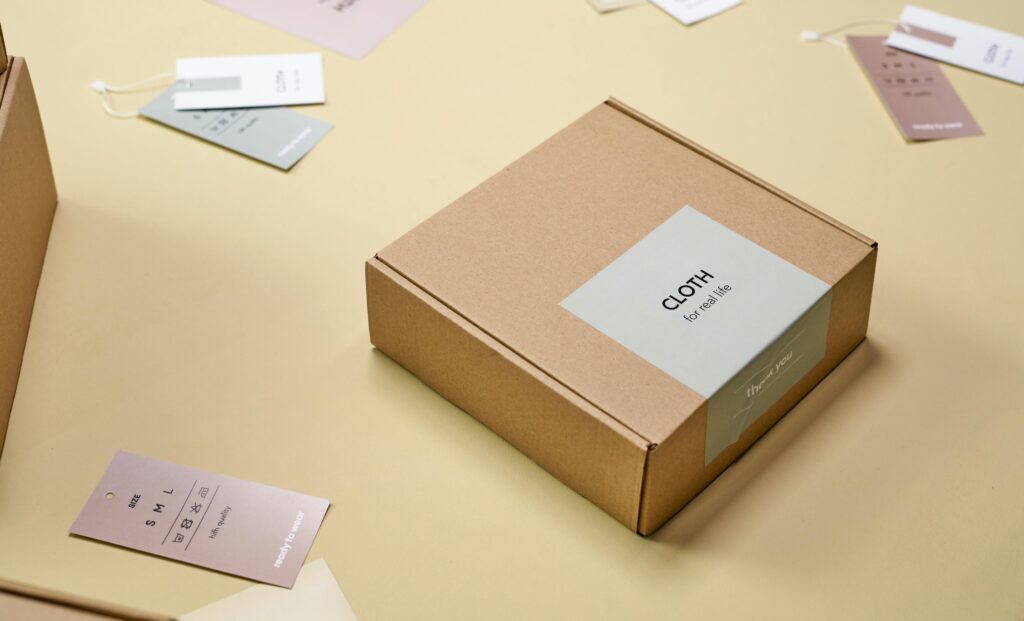
Make the shopping experience even more special by offering summer packaging. Colourful, festive packaging can not only catch customers’ eye but also improve satisfaction and loyalty.
10. Adapt your advertising campaigns
Buying habits change over the summer. Adapt your advertising campaigns to seasonal behaviour. Use images and messages that evoke holidays and outdoor activities to capture your audience’s attention.
11. Offer buying guides
Help your customers find the perfect products for their holidays by creating buying guides. These guides can be themed, such as “Beach day essentials” or “Equipment for a successful camping trip”. They can help increase sales by steering customers towards the products they are looking for.
12. Use targeted email marketing campaigns
Email marketing remains a powerful tool for reaching your customers. Send newsletters with exclusive offers, seasonal promotions and summer product recommendations. Segment your mailing list to personalise messages and make them more relevant.
13. Prepare for easy returns
Product returns can go up during the summer season. Make the returns process easy for your customers by offering simple, hassle-free returns. A clear, generous returns policy can increase customer trust and loyalty.
14. Set up loyalty programmes
Reward your loyal customers with loyalty programmes. Offer points, discounts or gifts for repeat purchases. Loyalty programmes can encourage customers to come back and buy more often.
15. Get ready for traffic peaks
Your site must be able to handle traffic peaks during sales and promotions. Check that your web hosting is sufficient and consider setting up caching solutions to improve your site’s performance.
CONCLUSION
To conclude, by putting these strategies into practice, you can turn the summer period into a real growth engine for your e-commerce business. Do not let summer sales slip away: prepare your online shop quickly to make the most of this business-friendly period.
Our team can help you optimise your e-commerce site for the summer holidays. Contact us: hello@ardigital.eu