

Google Discover reached a turning point in 2025. The platform is finally opening up to desktop after seven years of being mobile only. It also includes social media posts in its feed.
These changes completely alter the picture for content creators. 52% of publishers now see Discover as a strategic priority. What is more, 56% have seen their traffic grow thanks to this source.
Find out how to use these new features to multiply your visibility. Here is your complete guide to generating qualified traffic starting today.
What exactly is Google Discover?

Google Discover is a feed of personalised content offered by Google. Launched in 2018, it shows articles, videos and news without any active search. The user becomes a spectator rather than an actor in their own browsing.
In practice, Google analyses your search history and your interests. It then pushes you the content you are likely to enjoy. You open the Google app and the suggestions appear automatically.
This proactive approach is completely different from traditional search. You do not have to type any query to discover new information. It is a hyper-personalised experience that generates a great deal of qualified engagement.
The 3 big changes that alter everything
1. Arriving on desktop computers
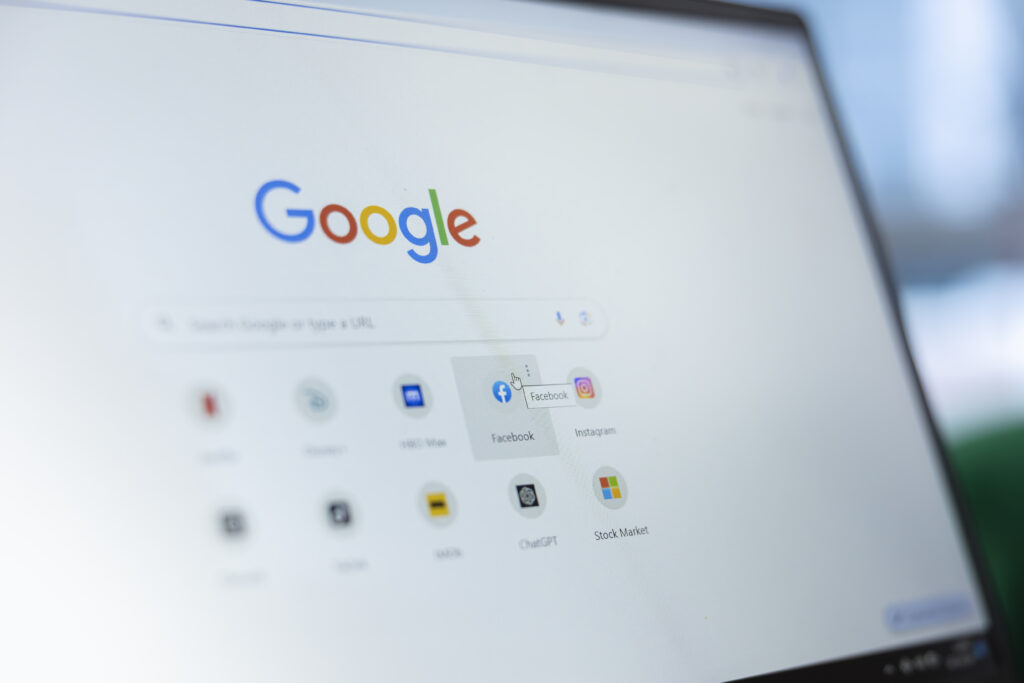
The main change is the addition of desktop computers. Until 2025, Discover was only available in the Google app. Now, you can watch the feed from your computer.
This change grows the audience for creators. Desktop users are still numerous in traffic. Your content can now reach audiences you could not reach before.
2. Social media integrated into the feed
Google Discover is gradually integrating social media posts. The posts you publish on Instagram, LinkedIn or Facebook can appear in the news feed. It is a big change for content strategy across different media.
This integration brings more visibility. A good social media post can attract people. Conversely, a Discover article can make your social media better.
3. Stronger E-E-A-T criteria
Google is tightening its E-E-A-T quality requirements (Experience, Expertise, Authoritativeness, Trustworthiness). Superficial content, or AI-generated content without supervision, is disappearing. Only expert, authentic content really comes through.
Articles written by known authors perform better. Well-known brands attract more visits. Your site’s reputation is very important.
7 strategies to appear on Google Discover
Strategy 1: write irresistible headlines without clickbait
Your headlines must captivate immediately without falling into clickbait. Use action verbs such as “Discover”, “Here is” or “How to”. However, absolutely avoid exaggerated or misleading promises.
The wording should spark curiosity while staying honest. Think about implicit intentions even without a typed query. A good Discover headline subtly combines clarity and emotion.
Strategy 2: use striking large-format visuals
Quality photos make the difference on Discover. Google recommends at least 1,200 pixels wide for your images. Prefer landscape format for better mobile visibility.
No generic logo or blurry photo. Every visual must speak at a glance. Infographics, real photos and illustrations work well.
Add the max-image-preview:large attribute to your HTML tags. This allows Google to use your images. It is a technical detail that transforms your display rate.
Strategy 3: ride the trends of the moment
The news remains the main fuel of Google Discover. Talk about popular topics before your competitors. The timing of publication is as important as the quality of the content.
Use Google Trends to quickly find new topics of interest. Create content within 24 to 48 hours of a trend. The first to publish capture most of the Discover traffic.
Cover recurring topics and seasonal events strategically in advance. An article on “spring fashion trends” published at the end of February. Anticipate peaks of interest to maximise your natural exposure.
Strategy 4: obsess over the mobile experience.
Google Discover works 90% on mobile even today. Your site must load in under 3 seconds. Short, airy paragraphs dramatically improve reading.
Test your content on several devices and screen sizes. Buttons and links must be easy to tap. A poor mobile experience kills your click-through rate immediately.
Use readable fonts of at least 16px for body text. Space your paragraphs with generous visual margins. Readability always comes before excessive density of information.
Strategy 5: show your E-E-A-T expertise
Always state the author’s name on your content. Write a clear biography that shows your real skills and experience. Talk about your qualifications, your experience and your important achievements.
Mention reliable sources that readers can check in your articles. Studies, official reports and experts increase trust. E-E-A-T will matter even more in 2025 for Discover.
Strategy 6: optimise your structured data
Schema.org markup helps Google understand what you write. Use the Article, NewsArticle or BlogPosting types depending on the situation. Fill in the information about the author, the publication date and the image properly.
This structured data greatly increases your chances of being seen. It helps Google find the right information. Always check your markup with Google’s Rich Results Test.
Strategy 7: create evergreen and trending content
Alternate between news (news content) and topics that always stay interesting (evergreen content). News causes quick but strong traffic spikes. Lasting content guarantees constant, stable traffic.
Often refresh your still-relevant articles with recent information. Google prefers recent, well-maintained content. Add a visible note such as “Updated in 2026”.
Measuring your performance in Google Search Console
Google Search Console is the essential tool for studying Discover. Go to the “Performance” section, then the “Discover” tab. You will find detailed impressions, clicks and CTR there.
The data goes back up to 16 months at most. Analyse the content that generates the most impressions. Identify the patterns in winning headlines, visuals and topics. Create a tracking table for your high-performing Discover articles.
Conclusion: Discover as a strategic tool for 2025.
In 2025, Google Discover has become essential for content strategies. With desktop access and social media, the possibilities grow a lot. Publishers who use this channel well have a big advantage.
Start by improving 3 to 5 existing articles by following these tips. Look at the results after 2 to 3 weeks of observation. Adapt your plan to the real information from Search Console.
Succeeding on Discover takes patience, testing and consistency. Often try different formats, times and editing styles. The first results are often seen after 4 to 6 weeks of serious work.