


Although your site attracts hundreds of visitors, they leave without taking any action. Despite your marketing initiatives, your conversion rate stays low. You are not alone: on average, barely 2.35% of visitors become customers (source: WordStream). However, some of the best sites manage to reach rates of 11% or more.
What is the difference? Conversion is not based solely on attracting visitors, it is a combination of user experience, perceived value and effective psychological triggers. In this article, we will look at why your site is not yet managing to convert and how you can overcome these difficulties by adopting a strategic, results-focused approach.
Ready to turn your visitors into customers? Let us discover together the levers that will make all the difference.
Understanding the importance of conversion rate
Definition and importance of conversion rate
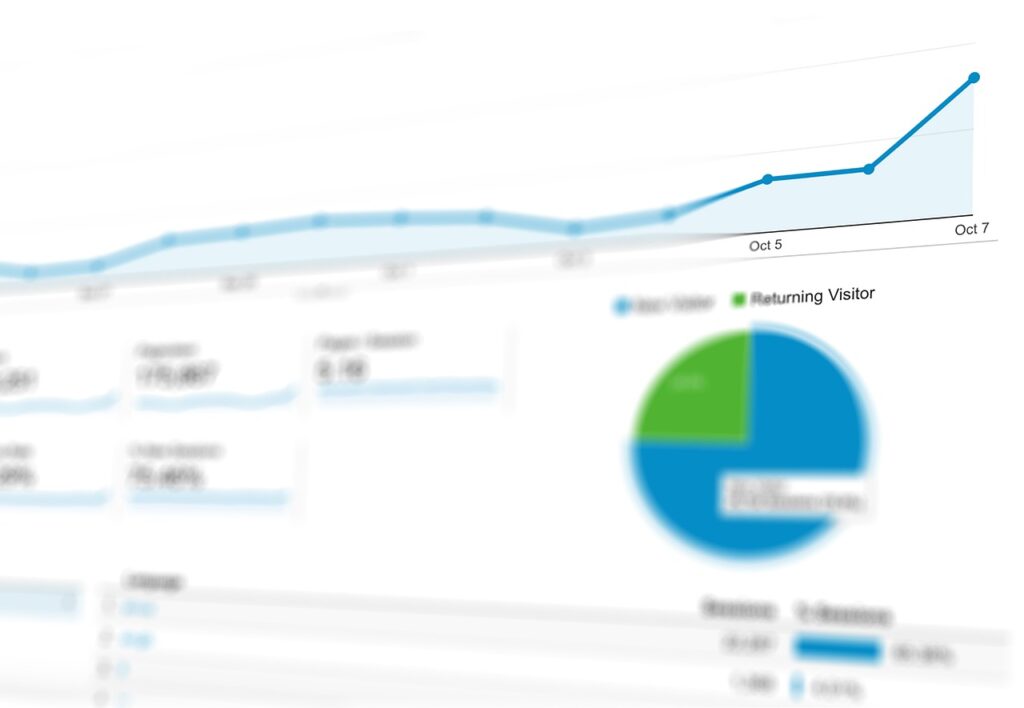
Conversion rate shows the proportion of visitors who carry out a specific action on your website, whether it is a purchase, a sign-up or a contact request. Each business sets its own specific goals according to its requirements.
According to IRP Commerce, an e-commerce site generally records between 1 and 3% of its visitors who become buyers. Although this figure seems modest, it can be greatly improved thanks to a carefully developed UX strategy.
Conversion rate is therefore an essential barometer. It goes beyond simply measuring traffic by giving you a clear picture of how effective your pages are.
The difference between transformation rate and conversion rate: not to be overlooked
Transformation rate is often confused with conversion rate. These two notions, although interconnected, are not completely identical.
Usually, the transformation rate refers to the final stretch of the journey (for example: from basket to purchase), whereas the conversion rate covers all the actions that bring value, according to the goals you have set.
Optimal conversion at every phase of the customer journey directly contributes to improving the overall conversion rate.
What explains the lack of conversions on your website so far?
A poorly targeted or poorly qualified influx of visitors
High traffic does not necessarily ensure conversions. If visitors are not qualified, results will stay limited. Sometimes poorly targeted ads or content attract an audience that does not match your expectations.
According to SEMrush, 40% of advertising traffic is badly targeted. A striking number that explains why, despite a large influx of visitors, your conversion rate remains low.
Your value proposition lacks precision
If a visitor does not immediately grasp what you offer, they will quickly desert your website. An indistinct or too vague value proposition kills engagement.
Each page must give a clear answer to three questions within a limited time: who are you, why are you relevant and what makes your offer unique? This is where the conversion rate is decided. Use clear headings, precise benefits and steer clear of jargon.
Navigation for the user is too complicated.
If every click requires thought from your visitors, it points to a navigation problem. A low transformation rate is frequently linked to procedures that are too complex.
Lengthy forms, superfluous steps or a messy layout create discomfort that harms the experience. According to the Baymard institute, 18% of cart abandonments result from a user experience that is too complicated.
An effective interface must guide the user. Minimise the required fields, prevent repetition and offer smooth navigation.
User experience (UX) mistakes
Some mistakes can go undetected, while still having a significant effect. A badly positioned button, insufficient contrast or a vague label can be enough to throw a user off. These UX mistakes are frequently encountered, and are often overlooked.
For example, an action button that is hard to see, a menu that disappears on mobile or a form without explicit error messages create confusion and undermine the user experience.
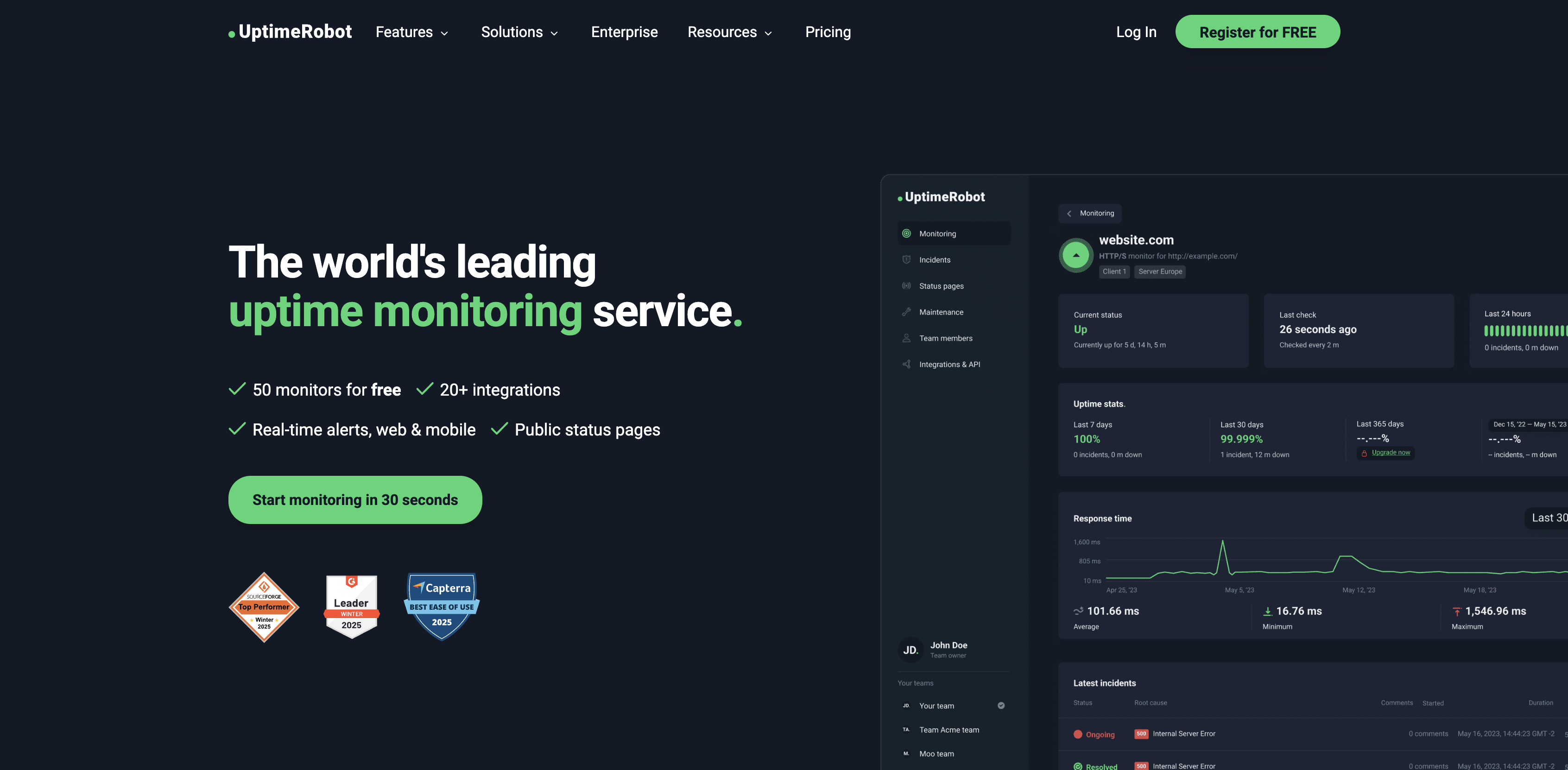
To identify them, it is crucial to go beyond your own point of view. Use monitoring tools or site tracking tools to observe user behaviour in real life.
A few tips to improve your conversion rate
For your efforts to really pay off, it is not enough to correct the obvious flaws in your funnel. It is just as essential to take care of the user experience at every step, putting the emphasis on the small details that can make all the difference. This is where good UX writing and well-thought-out micro-interactions come into play.
Examine, evaluate and perfect your conversion funnel
The conversion process is the central point of your website. If too many obstacles are present, your conversion rate could fall quickly. To optimise it, use the A/B testing method to compare different versions of a page or of a key element. Heatmaps are also valuable tools: they show the areas that are ignored or badly clicked, which lets you prioritise the improvements to make.
Also remember to make forms simpler, remove superfluous steps and guide the user. Every superfluous action is a chance to miss a conversion. A well-optimised funnel offers a smoother, faster and above all more financially rewarding experience.
Adopt user-focused writing and implement micro-interactions
Words have power. Good UX writing guides the user, reassures them and encourages them to take action. For example, “Create my account” is much more engaging than “Submit”.
Add micro-interactions: subtle animations on a click or an instant confirmation as soon as a field is completed. These small touches give a sense of control and ease.
Do not underestimate the importance of social proof: customer ratings, key statistics, trust badges. These factors provide reassurance and make decisions simpler for your visitors.
Adopt a continuous approach: try, examine, iterate
Improving conversion rate is a process that never ends. Users’ needs change, your offers evolve and competition never lets up.
Use an iterative approach: test a hypothesis, study the conclusions, adjust if necessary and start the process again. It is this approach that ensures lasting performance.
Involve your teams, automate follow-ups and build continuous improvement into your company culture. It is not a sprint, but a virtuous cycle. And every iteration brings you closer to a site that converts organically.
A low conversion rate is not inevitable. It often stems from a series of specific but crucial mistakes. The reasons can vary: wrongly directed traffic, vague commitments, an excessively complicated user journey, and so on. To solve this problem, you need to adopt a systematic approach: examine, try, refine.