



The world of digital marketing can sometimes feel like a maze of technical terms and jargon. To make your mark on the web and grow your business, you need to master these terms. Here is a non-exhaustive list of the terms you absolutely must know before venturing into digital marketing.
A/B testing in digital marketing
A/B testing, also called split testing, is a method of comparing the performance of two different versions of a marketing element to find out which one delivers better results.
Example: An e-commerce business tests two versions of a call-to-action (CTA) button on its home page. Version A has a more explicit label, while version B uses brighter colours. By comparing conversion rates, the business can work out which version prompts more visitors to click and make a purchase.
AIDA
AIDA is an acronym for the successive stages a consumer goes through when exposed to an advertising message: Attention, Interest, Desire, Action.
Example: An advertiser uses AIDA to structure an online advertising campaign. The first stage (Attention) is a striking banner that catches the eye. It is followed by informative content that builds interest. Customer testimonials create desire. Finally, a clear call to action encourages the purchase.
Digital marketing agency
A digital marketing agency is a company that specialises in promoting products or services through digital channels such as the internet, social media and search engines. It offers services such as custom website creation, SEO, online advertising and social media management. The ultimate goal of a digital marketing agency is therefore to help clients reach their objectives.
Target audience
The target audience is the specific demographic or behavioural group a marketing campaign is aimed at. It is the ideal audience for the company’s products or services.
Example: A sportswear company targets active young adults who are passionate about fitness. To do so, it publishes ads on social media showcasing comfortable, functional clothing suited to their lifestyle.
Backlink
A backlink is defined as a link connecting two websites through anchor text. For example, a backlink can take the form of an article pointing to another source or to another website.
Example: A blogger who specialises in healthy cooking writes an article on the benefits of a balanced diet and includes a link to a well-known nutrition website. That link is a backlink, and it tells search engines that the nutrition site is a reliable source of information.
Buyer persona
A buyer persona in digital marketing is a semi-fictional, detailed representation of a company’s ideal customer. It is built from demographic, behavioural and psychographic data.
Example: A marketing agency creates buyer personas for a technology company. They identify “Sophie, the IT purchasing manager” and “Alex, the passionate developer”, describing their needs, motivations and buying behaviour. These personas help adapt marketing strategies to better meet the expectations of these specific segments.
AdWords campaigns
An AdWords campaign is an advertising strategy run on the Google Ads platform (formerly AdWords). Google Ads lets advertisers create paid ads that appear in Google search results, as well as on affiliated partner sites. Advertisers set bids on keywords relevant to their business, and their ads are displayed when users search for those terms.
Call-to-action (CTA)
Calls to action are key elements in any marketing campaign. They are persuasive prompts that encourage visitors to take a specific action, such as signing up for a newsletter, buying a product or sharing content. Effective CTAs are essential for turning visitors into customers.
For example, a CTA can be “Sign up now” on a web page to encourage visitors to subscribe to a newsletter.
Email marketing
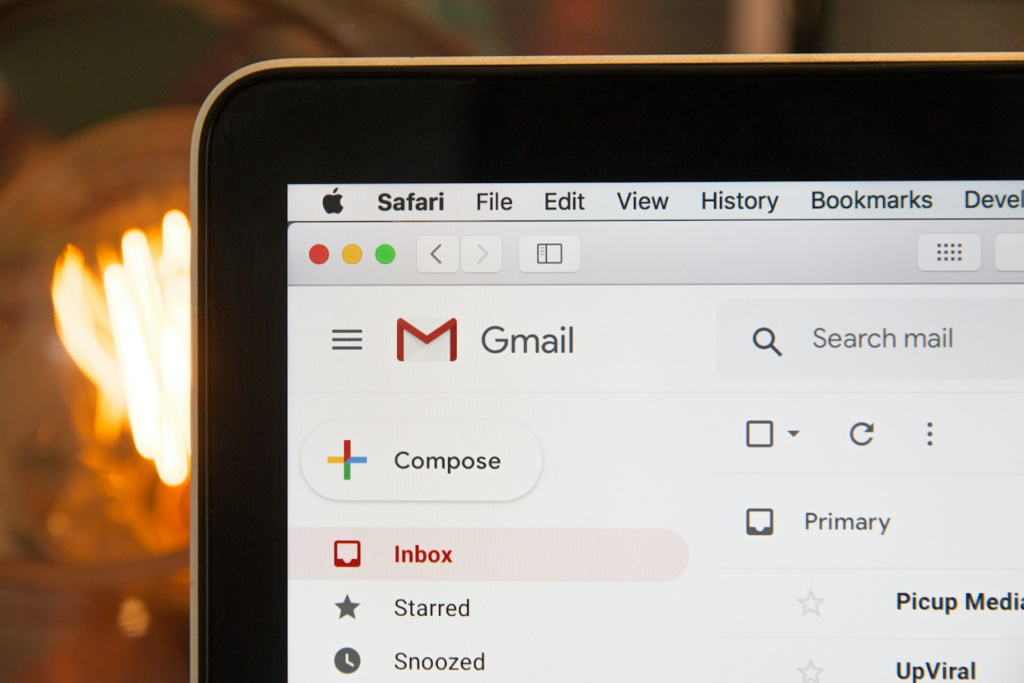
Email marketing is a digital marketing strategy that uses email as a direct means of communication with prospects or customers. Businesses send promotional emails, newsletters or announcements to inform, engage or retain their audience.
Example: An e-commerce business can send promotional emails offering special discounts to subscribers.
Lead generation
Lead generation in digital marketing is the process of creating and capturing the interest of potential prospects in a product or service. Businesses use various strategies, such as special offers, competitions, contact forms or targeted advertising campaigns, to attract qualified leads. The ultimate aim of lead generation is to build a database of contacts that the business can then convert into customers through targeted marketing campaigns.
Example: An e-commerce business can send promotional emails offering special discounts to subscribers.
Growth hacking
Growth hacking is a marketing approach focused on rapidly growing an audience and sales using creative, innovative and often unconventional techniques. Growth hackers look for efficient, fast ways to acquire users or customers.
For example, running viral competitions on social media quickly attracts attention and increases a brand’s visibility.
Inbound marketing
Inbound marketing is a strategy that aims to attract potential customers with useful, relevant content rather than reaching them in an intrusive way. It includes creating blogs, videos, white papers and so on. The main goal? To draw visitors naturally to a website.
For example, a software company can create educational content on its blog to attract IT professionals.
Landing page
A landing page is a web page designed specifically to encourage visitors to take a specific action, often linked to a marketing campaign.
Example: A landing page can be created for an online ad promoting a specific product, with a built-in sign-up form to collect leads.
Lead magnet
A lead magnet is a free offer made to a visitor in exchange for their contact details. It can be an ebook, a guide, a webinar or another attractive resource. Lead magnets are used to build a database of qualified prospects for later marketing campaigns.
Lead nurturing
Lead nurturing means building and maintaining relationships with leads over time to guide them through the buying process. It usually involves sending personalised emails, educational content and so on. This way, you keep leads engaged until your customers are ready to buy.
Lead scoring
Lead scoring is a process of evaluating leads against specific criteria to determine their level of interest and how well they qualify.
For example, giving leads points based on their interaction with the website, whether they open emails, and so on. This helps sales teams prioritise the leads most likely to convert.
Marketing automation
Marketing automation refers to the use of software and technology to automate marketing tasks, such as sending emails, managing leads, segmenting the audience and so on.
For example, a company can use an automation platform to automatically send email sequences based on how users behave on its website.
Newsletter
A newsletter is a periodic publication sent by email to a list of subscribers. It usually contains information, updates, promotions or news about a company, a product or a service.
Example: An e-commerce business sends a weekly newsletter to its subscribers, presenting new products, offering exclusive discount codes and sharing useful tips on how to use its products.
Outbound marketing
Outbound marketing refers to marketing efforts that deliver a commercial message directly to the target, often in an interruptive way. It includes practices such as traditional advertising, cold calling, promotional emails and so on.
Example: A company uses a television advertising campaign to promote its new product. This way it reaches a wide audience without waiting for consumers to actively look for information about the product.
SEA (Search Engine Advertising)
SEA, or Search Engine Advertising, is a form of online advertising that aims to increase the visibility of a website in search results by using paid ads. Advertisers bid on specific keywords, and their ads appear at the top of or alongside organic search results when users search for those keywords.
SEA campaigns are often managed through platforms such as Google Ads, LinkedIn Ads or Facebook Ads. They offer immediate visibility and can be adjusted in real time to optimise ad performance. SEA complements SEO (Search Engine Optimisation) in an overall digital marketing strategy, making it possible to quickly reach a specific target audience.
SEO (Search Engine Optimisation)
SEO, or search engine optimisation, covers the practices aimed at improving a website’s visibility on search engines. The organic search optimisation of a website includes the strategic use of keywords, the creation of quality content and the acquisition of external links to rise in organic search results.
Link building
Link building, also known as netlinking, is the practice of obtaining quality external links pointing to a website. It improves the site’s ranking in search engines and strengthens its online authority.
Example: A digital marketing company builds quality links by forming partnerships with other relevant sites, contributing to industry blogs and earning natural links by creating attractive content.
SEM (Search Engine Marketing)
SEM covers the use of paid marketing techniques to increase visibility on search engines. This includes paid advertising, where advertisers bid on specific keywords to display their ads at the top of search results.
Social media management
Social media management covers all the activities involved in planning, creating, publishing and managing content on social media platforms. It also includes performance tracking, engagement with the audience and the management of ads.
Example: A digital marketing agency uses social media management tools to schedule and publish posts on its clients’ Facebook, Twitter and LinkedIn pages. It then analyses performance to adjust the strategy according to the results.
SMM (Social Media Marketing)
SMM refers to the use of social media to promote a brand, generate traffic and boost engagement. It includes creating and sharing content on platforms such as Facebook, Twitter and Instagram, as well as using paid ads on those channels.
Conclusion
In short, in the sometimes complex maze of digital marketing, the key to success lies in mastering the key terms. By understanding and using these terms strategically, entrepreneurs can navigate with confidence and reach their goals on the web.