
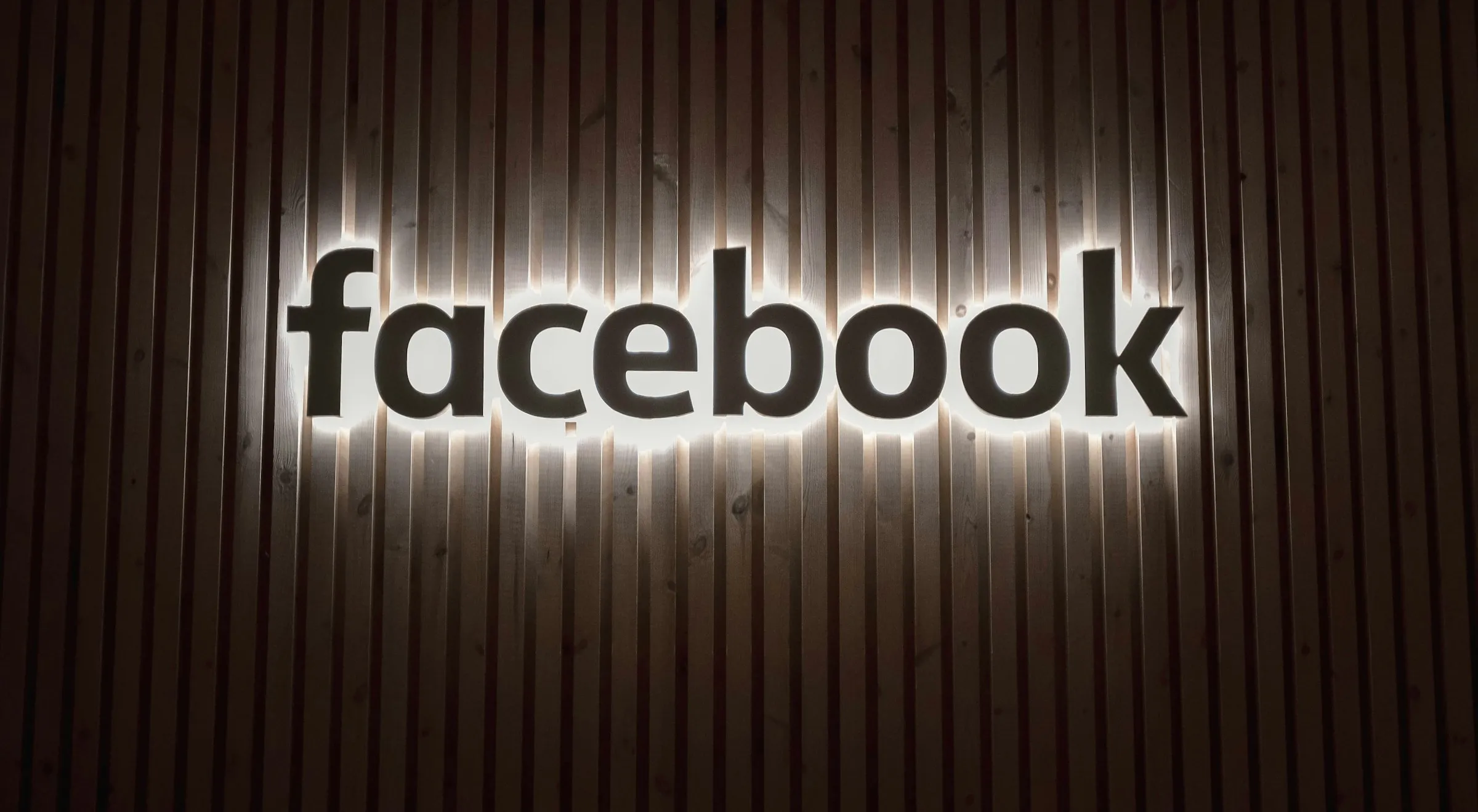
Facebook has been 20 years old since February 2024. Since its creation in 2004 by Mark Zuckerberg, this social network has never stopped evolving and adapting to new technology trends and user expectations. It initially relied on a user base limited to Harvard University. Today, though, it is one of the most influential platforms in the world, with nearly 3 billion monthly active users in 2024. In Luxembourg, as in many other countries, Facebook plays a significant role not only in people’s daily lives but also in the business world. Let’s explore the evolution of Facebook in this article.
Facebook: an ever-evolving network
The early days (2004-2006)
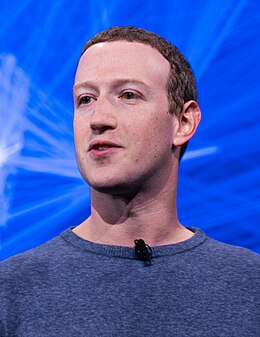
The story of Facebook begins in 2004, when Mark Zuckerberg and his Harvard classmates launched “TheFacebook”. Initially reserved for Harvard students, the network quickly spread to other universities, then to all secondary schools, before opening to the general public in 2006. At that time, the interface was simple, focused on personal profiles and connections between friends.
The rise: Facebook expands (2007-2011)
From 2007, Facebook began to integrate game-changing features: the news feed, business pages and, above all, the ability for developers to create applications on the platform. These innovations turned Facebook into a versatile tool, attracting not only individual users but also businesses, who saw in it a new way to reach their audience.
The advertising era: Facebook Ads (2012-2015)
In 2012, Facebook went public, which triggered a strong push to monetise the platform. Facebook Ads became an essential tool for businesses, offering incredibly precise targeting options. Business pages became more professional and social media management became a major strategic issue for any organisation wanting to maximise its online visibility.
Diversification: the purchase of Instagram and WhatsApp (2012-2014)
To stay at the cutting edge of innovation, Facebook acquired Instagram in 2012 and WhatsApp in 2014. These acquisitions allowed Facebook to diversify its offer and reach different categories of users. Instagram became an essential platform for visual marketing, while WhatsApp revolutionised instant communication.
New features and updates
Facebook has regularly introduced new features to keep its users engaged and meet their changing needs. In 2023, several major updates marked the platform’s evolution:
Meta and the metaverse
Since 2016, Facebook has kept reinventing itself. The introduction of artificial intelligence in the news feed, content moderation and targeted ads improves the user experience. Since Facebook was renamed Meta in 2021, the company has stepped up its efforts to develop the metaverse, a virtual space where users can interact in 3D. This futuristic vision of the internet aims to create immersive experiences that go beyond simple social interactions. In 2023, Meta launched several pilot initiatives for virtual offices and virtual reality meeting rooms, attracting companies interested in this new way of collaborating.
Facebook Reels
In response to the dazzling success of TikTok, Facebook launched Reels, a short and engaging video format. This feature lets users create and share video content in a simple and fun way, while offering new visibility opportunities for content creators. In June 2023, Reels already accounted for 20% of the time users spent on Facebook, showing their growing popularity (Meta Quarterly Report, 2023).
Privacy updates
Aware of growing privacy concerns, Facebook introduced improved tools to let users better control their data. Privacy options were simplified and clear explanations were provided to help users understand how their information is used. A recent study shows that 65% of Luxembourg users adjusted their privacy settings over the past year.
Facebook: an indispensable tool for businesses
For businesses, Facebook is much more than a simple social network. It is a powerful tool forgenerating leads by improving marketing, communication and customer relationship management. Here is how businesses use Facebook:
Marketing and advertising
Businesses use Facebook to target specific audiences thanks to sophisticated advertising tools. The targeting options make it possible to create very precise marketing campaigns, based on criteria such as age, geographic location, interests and online behaviour. In 2023, Luxembourg businesses spent around 50 million euros on Facebook ads, an increase of 15% compared with the previous year.
Engagement and interaction
Businesses’ Facebook pages act as interactive platforms where customers can ask questions, leave reviews and get answers in real time. This direct interaction helps strengthen customer loyalty and improve overall satisfaction. A market study found that 40% of Luxembourg users prefer to contact a business via Facebook Messenger rather than by email or phone (PwC Luxembourg, 2023).
Data analysis
Facebook provides powerful analytics tools that let businesses measure the effectiveness of their marketing campaigns and gain insights into user behaviour. This data helps refine marketing strategies and maximise return on investment. For example, a Luxembourg company specialising in organic products was able to increase its sales by 25% by optimising its advertising campaigns using Facebook’s analytics data.
The impact of Facebook in Luxembourg

In Luxembourg, Facebook continues to play a central role in how people connect and share information. With one of the highest internet penetration rates in Europe, people in Luxembourg are active users of social media and Facebook is no exception.
Personal use
For many people in Luxembourg, Facebook remains an essential platform for staying in touch with family and friends, sharing life moments and following the news. In 2023, around 80% of the Luxembourg population used Facebook regularly and Facebook groups are particularly popular, serving as a meeting point for local communities or specific interests, such as groups for swapping or selling local products.
Societal impact
Facebook also plays a role in spreading information and social mobilisation. For example, events such as the Red Cross bazaar or local environmental protection initiatives benefit from greater visibility thanks to the platform. In 2023, a fundraising campaign for flood victims raised more than 100,000 euros in just two weeks thanks to massive sharing on Facebook.
The case of Luxembourg businesses
In Luxembourg, businesses of all sizes and in all sectors use Facebook to achieve their commercial goals. Here are some concrete examples:
- Small businesses and craftspeople: local craftspeople and small businesses use Facebook to make themselves known and attract new customers. For example, a bakery in Luxembourg can grow its customer base if it launches a series of targeted advertising campaigns on Meta. It could use the network to showcase its handmade products and special promotions .
- Startups and tech companies: Luxembourg tech startups use Facebook to connect with investors, recruit talent and launch products. For example, a startup specialising in fintech can use Meta to promote its financial management app and get more downloads thanks to well-targeted advertising campaigns .
- Large groups and multinationals: large companies, such as banks and insurance companies, use Facebook to strengthen their brand image, communicate about their CSR initiatives (Corporate Social Responsibility) and engage their community. For example, Banque de Luxembourg uses Facebook to share financial advice, run webinars and publish annual reports, thereby reaching a broad and diverse audience .
CONCLUSION
In conclusion, in two decades, Facebook has transformed from a simple university social network into an influential global platform, reaching billions of people and integrating cutting-edge technologies. The next decade promises to be just as dynamic, with new technological advances and unprecedented opportunities for users and businesses. Want to promote your business on Facebook? Contact our team of social media experts: hello@ardigital.eu