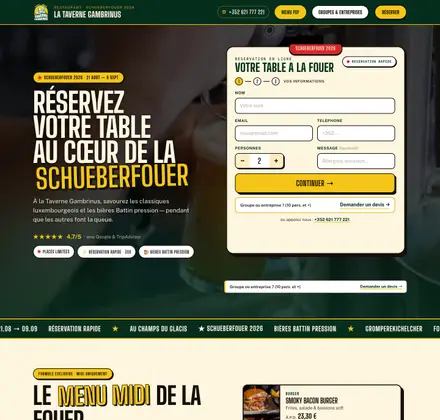
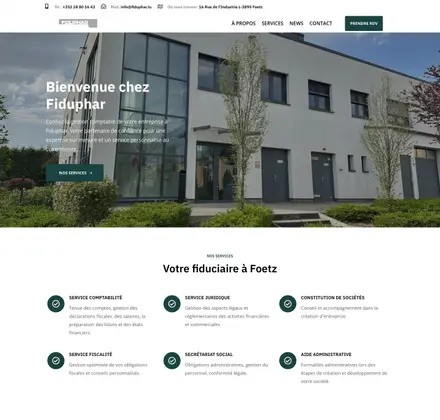

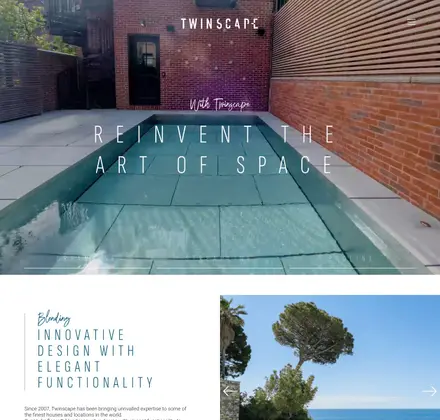

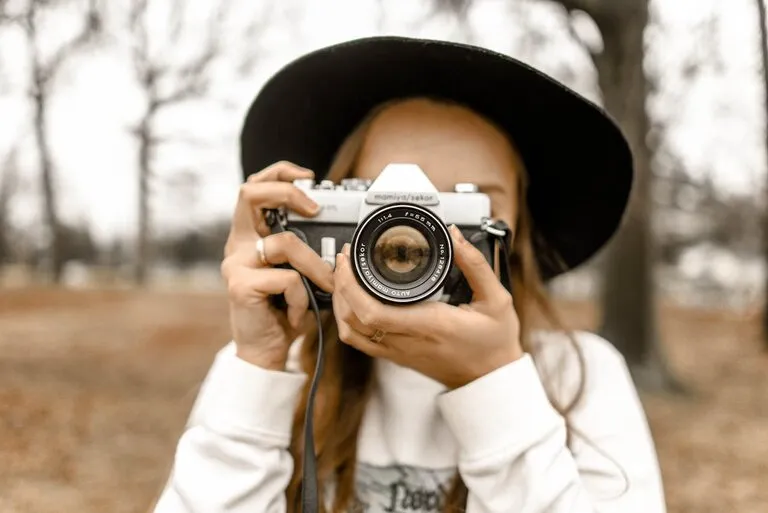
Are you a photographer who wants to promote your work online? Then you have decided to build a custom website for your business. Your website is your shop window online. It is where potential clients will discover your talent and your style. However, it is easy to make mistakes that could undermine the effectiveness of your site and the way your work is perceived. Here are 7 common mistakes to avoid when building a custom website for a photographer.
#1 Overloading the design

Less is often more when it comes to designing a photographer’s website. Avoid overloading your site with too many graphic elements, different fonts or garish colours. Choose a clean design that showcases your photographs.
#2 Ignoring image quality
As a photographer, your images are your main asset. Make sure you present high-quality photos on your custom website. Avoid blurry, badly framed or low-resolution images that could distract from your work. Every photo should be a faithful representation of your talent and your aesthetic.
#3 Neglecting SEO
Good SEO helps increase traffic to your photography website and strengthens its presence on search engines. There are several strategies you can use to optimise your website’s organic search ranking:
- Make sure you create distinct, informative title tags, using appropriate keywords while keeping them concise (around 60 characters) to attract users’ interest.
- To encourage clicks, write persuasive meta descriptions that include keywords and calls to action.
- Structure your content with heading tags (H1, H2, H3 and so on), including relevant keywords to optimise them for search engines.
- Use descriptive, short, keyword-rich URLs, and avoid generic alphanumeric strings.
- Improve the visibility of your images in image search results by compressing them, adding descriptive alt tags and including relevant keywords in file names.
- Help search engines understand the structure of your site and improve navigation for users by using internal links.
- Add schema markup, such as structured data, to give search engines extra information about your site’s content, which increases the visibility of rich snippets and click-through rates.
#4 Skipping the legal basics
The legal side of a website is often beyond the understanding of many site owners. Yet ignorance is no excuse.
Here are a few points not to take lightly, as they can penalise your site:
- Poor cookie management
- Tracking tools and social plugins
- Incomplete or even missing legal notices
- Breaches of personal data protection, particularly since the GDPR came into force (in French).
Using text, images, music or videos without a proper licence or without the permission of the copyright holder can have disastrous financial consequences.
#5 Neglecting your website’s page loading time
A page that loads too slowly can not only annoy visitors but also put them off exploring more of your work or even contacting you about a collaboration. What is more, speed plays an important role in how your site ranks on search engines and in its overall performance.
To fix this, here are some examples of good practice to adopt when designing and managing your photography website:
Make the files you add to your site lighter
Reduce the size of elements such as images and files while preserving their quality. Tools such as Photoshop or online compression services like WeCompress can help you do this.
Use browser caching
When this feature is switched on, static files such as images and CSS are stored on the visitor’s device. This reduces the load on the server and speeds up page loading on later visits.
Use a CDN (Content Delivery Network)
This solution involves storing the website’s files on several servers around the world. This approach reduces the distance between the server and the user. This geographical proximity means faster loading times.
Optimise your code
Reduce the size of your CSS, JavaScript and HTML files by removing unnecessary characters, white space and comments. This helps to reduce file sizes and improve page loading times.
#6 Having a site that is not “responsive”
The vast majority of internet users search online from their smartphone. To reach as many people as possible who are interested in your work, make sure you build a custom website with a responsive design.
Google now places particular importance on a “mobile first” strategy, which means it favours indexing sites designed for mobile devices. This approach increases the chances of turning visitors into clients and strengthens engagement and loyalty. Failing to optimise your photography website for mobile devices can lead to a loss of traffic and business opportunities.
#7 No call to action (CTA)
Action button
Including clear, visible action buttons on a photographer’s website helps deliver an optimal user experience. These buttons should guide visitors to the different options available, such as booking photo sessions, buying prints or browsing portfolios.
By placing these elements strategically, you encourage visitors to take action. This can mean more bookings and more sales. These buttons improve the user experience by simplifying navigation. That can secure both client satisfaction and your commercial success.
Share button
Likewise, consider adding share buttons for social media to promote your work and let visitors easily share their favourite pieces with their network. This helps build an engaged community around you and can generate greater visibility online. It is a door that opens onto new professional opportunities and audience growth.
Contact button
Contact buttons should also be clear and easy to reach so visitors can ask questions, request quotes or book an appointment for a consultation. By offering smooth, transparent communication, you build trust with potential clients and improve your chances of conversion.
In conclusion, avoiding these seven common mistakes when building a custom website for a photographer is essential to make it effective. By adopting good practice and staying attentive to visitors’ needs, you can create an online shop window that showcases your talent, strengthens your presence in the market and opens up new professional opportunities.
Contact us now to create a site that will showcase your photographs, and benefit from the SME Packages Digital grant.